Pages

Thursday, August 7, 2014

August's Annual Sky Show

The Perseid meteor shower is coming up! This reliably good sky show will have some competition by the Full Moon on August 10, so start watching now! Curious about what meteors actually are? Read this

Perseid meteors over Red Rock Canyon. Image Credit: Ian Norman

 The Perseid shower is the result of Earth passing through the trail left behind by Comet Swift-Tuttle. (Speaking of comets, have you seen the images of Comet 67P/Churyumov–Gerasimenko taken by the Rosetta spacecraft?! If not, go look!) NASA is already reporting high counts of meteors, so watch the weather for clear nights coming up and plan an observing party! The best time to watch is after midnight, especially in the hours just before dawn. The peak of the shower is August 12-14, but the almost-full Moon will drench the sky with light in the predawn on those days, so you might want to try to catch some meteors before the 10th. 

Perseid over part of the Very Large Telescope in Chile. Image credit: European Southern Observatory.

To watch the meteors, it is best to get out of city lights. Find a safe, dark viewing spot and look up! The Perseids are so named because they originate from the area of the sky that Perseus the Hero is in (see chart below) but you can see them all over the sky. 

You can find Perseus in the East at about 2 AM. Don't worry if you can't find the constellation, you can see the meteors all over the sky. Image credit: Stellarium.
If you are observing just before dawn, look to the East to see the very bright planet Venus, and just slightly less bright planet Jupiter below it. Jupiter will rise just before the Sun. 

Venus and Jupiter rise before the Sun in the East. Can you spot Orion the Hunter? Image credit: Stellarium.
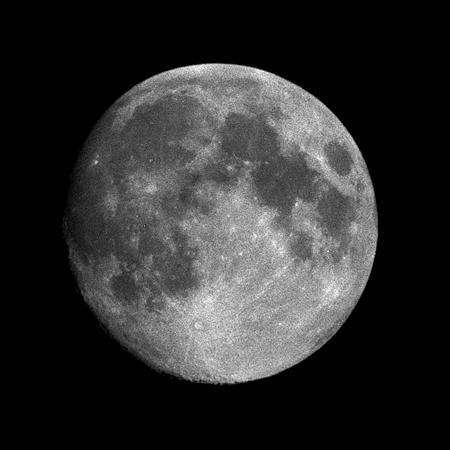
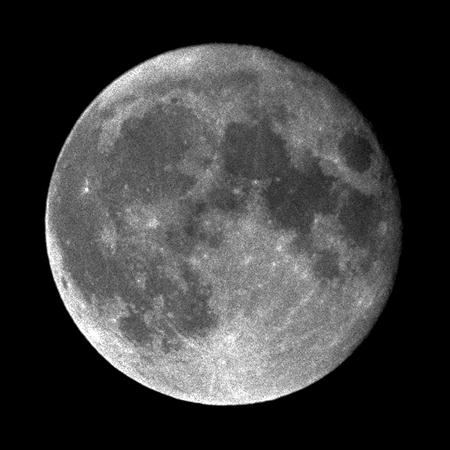
By the way, you may have heard some talk of the "supermoon" getting in the way of observing the meteors. It is true that the Moon will be at perigee on August 10. In it's slightly egg-shaped orbit, it will be at its closest point to Earth. It will be 14% closer than normal, which will make it appear very slightly larger. But unless you knew that the Moon was supposed to look bigger in the sky August 10, I doubt you would ever notice. Check out the images below. When they are right next to each other it is pretty easy to see the difference. In the real night sky, against a backdrop of stars, the difference is pretty subtle.
 
Moon at apogee. Image Credit: Inconstant Moon

Moon at perigee. Image credit: Inconstant Moon.
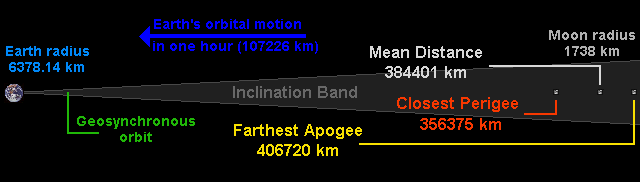
 On August 10, Moon will be 221,675 miles away; when it is farthest away (apogee) it is 252,634 miles away. According to NASA, it will be 30% brighter than other full moons this year. The media likes the term supermoon because it gets people excited, but it is also misleading - it makes people think that the moon will be tremendously larger or different than usual. Enjoy the pretty full moon on August 10, and don't worry about it being "super". 

Image Credit: Inconstant Moon.
If you would like to learn more about meteors or the Moon or science in general, visit the Dome at the Peoria Riverfront Museum. Check out our Astonishing Universe: Believe It or Not! show to get a whirlwind tour of the Universe. See our full schedule and show descriptions here. Good luck spotting some Perseids!

No comments:

Post a Comment